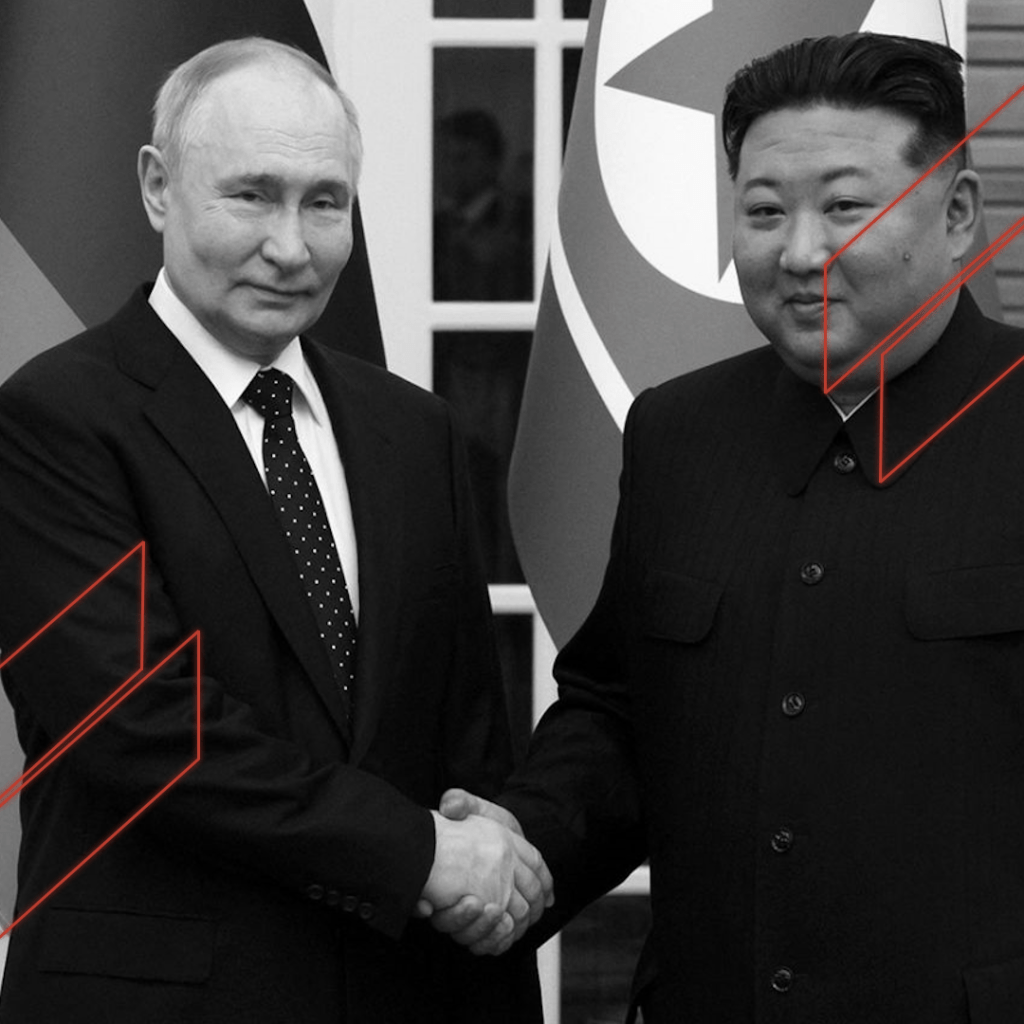
By J. Kamarad
There is a tendency on the “Left” to dismiss objective developments in global politics through a form of Ultraleft philistinism. It takes a concept that has elements of truth; that many proponents of Multipolarity are selling a fairy-tale of peaceful co-development which is acceptable and preferable to bourgeois ideologists. The error emerges in tarring all “Multipolarists” with this pacifist brush and thus deferring initiative in analysis of developments in the global economy.
It is incumbent to regard relevant details when recognizing the development of the geo-strategic situation since the fall of the USSR. This, after-all, is the arena in which the proletarian struggle is waged – at the scale of nations and continents. However, these antagonistic trends make no novel analysis in its deference to catchall clichés about the nature of Imperialism.
These “Multipolaristas” and “BRICS-heads” are no mere spectres of the philistine’s imagination, to allege that would be dishonest and entirely incorrect. There exists an ecosystem dedicated to promoting an idealist stance regarding the emergence of Multipolarity, presenting it as a silver bullet against the oppression of small nations, the saving grace of the Third World developing countries and a respite from the “irrationality” of the foreign policy pursued by the “World Police” of the United States. This analysis, which is either ambivalent, dismissive or hostile to the class element of politics is something which has no basis beyond the wishes of politicians, the actual material processes that underline the world economy constantly put this sort of wish-casting to shame. For all the bluster that we witness from bourgeois politicians about the emergence of an adversarial system to rival the United States, WEF & the Atlanticist Global Order, how much development has been achieved in the intervening years?
Talk is cheap and the collapse of Assad’s Syrian Arab Republic, the decimation of Islamist opposition to the Zionist project in occupied Palestine and the constant fear of capitulation on the part of the Islamic Republic to the demands of the Western powers displays clearly enough that the era we are entering into remains dominated by a global imperialist system which is far from being a spent force.
The value of Multipolarity lies in its proximity to the historic Non-Aligned-Movement which sought to develop ties between newly independent former colonies who did not wish to fall under the influence of the United States nor the USSR. Regardless of the reality in which many member states were clearly in one or the other camp, the kernel remains clear – a commitment against Hegemonism and commitments to self-reliance. It is perfectly consistent with the traditions and history of Marxism-Leninism to welcome the splitting away of dependent nations from the system of Imperialism, an example being the emergence of military revolts and popular movements across the African continent which have acted in great energy against their historic oppressors (France, Belgium, etc.) alongside their more recent exploiters – namely the United States.
Reactionary elements do indeed decry attempts by the advanced forces of the proletariat. The present form is in a decreased enthusiasm to break with the dominant power of the United States with capitulationist forces within all US Adversaries characterized by a proximity to the Global Liberal Order and those organisations which manifest financial monopolist interest. It is the leading voices of the advanced global proletariat that combats further integration with the capitalist markets, for greater economic self-reliance and greater exercising of democracy.
This logic can be seen in the path of de-industrialisation. Since the collapse of the USSR, the Western imperialists with the US at the high seat sought to divest traditional manufacturing, with its relatively lower returns for investment (alongside the USD system of currency entrapment), onto the newly opened markets of the former Socialist Camp and in those countries which could formerly rely on even a skerrick of protection from the Soviet Union. In doing so they continued the process of imperialism in exporting capital and bribing the labour aristocracy at home with its speculative financial returns.
Leading proletarian voices stand at the forefront against this invigorated international imperialist division of labour, against the designs of international monopoly capital. The correct comprehension of Multipolarity is as an extension of Lenin’s analysis exemplified in “Imperialism, the highest stage of Capitalism” and not as a replacement.
Since the collapse of the Soviet Union, the ability for Western imperialism to infiltrate the few remaining independent and socialist countries accelerated greatly. The period of Unipolarity that emerged out of that great calamity has since started to waver due to its own innate limitations, it being a beast staggering under its own weight.
The nature of the imperialist position was one of sheer historical aberration. The extension to prominence, on the global stage, of monopoly capital bound to the political and military designs of a single state is not something which we can see again.
Proletarian Multipolarity cannot be lumped in with the spontaneous Multipolarity and must be understood as something which cannot be judged by the standards of bourgeois ideologists as they operate under false premises and thus are constantly at risk of failing to take decisive action on the behalf of national independence.
At this time the advanced sections of the proletarian workers must take a stand as the general staff of the revolutionary workers movement and take advantage of even the slightest breathing room provided in the conflict between Imperialism and emerging forces. The way this presents itself in the Australian context is to wage without mercy the struggle for national political, economic and military independence from the United States who has taken over from the British Empire as our paramount master. This struggle can only be waged by the most advanced detachments of the proletariat with a highly developed and dedicated Communist Party at its head.





 Eureka Initiative